
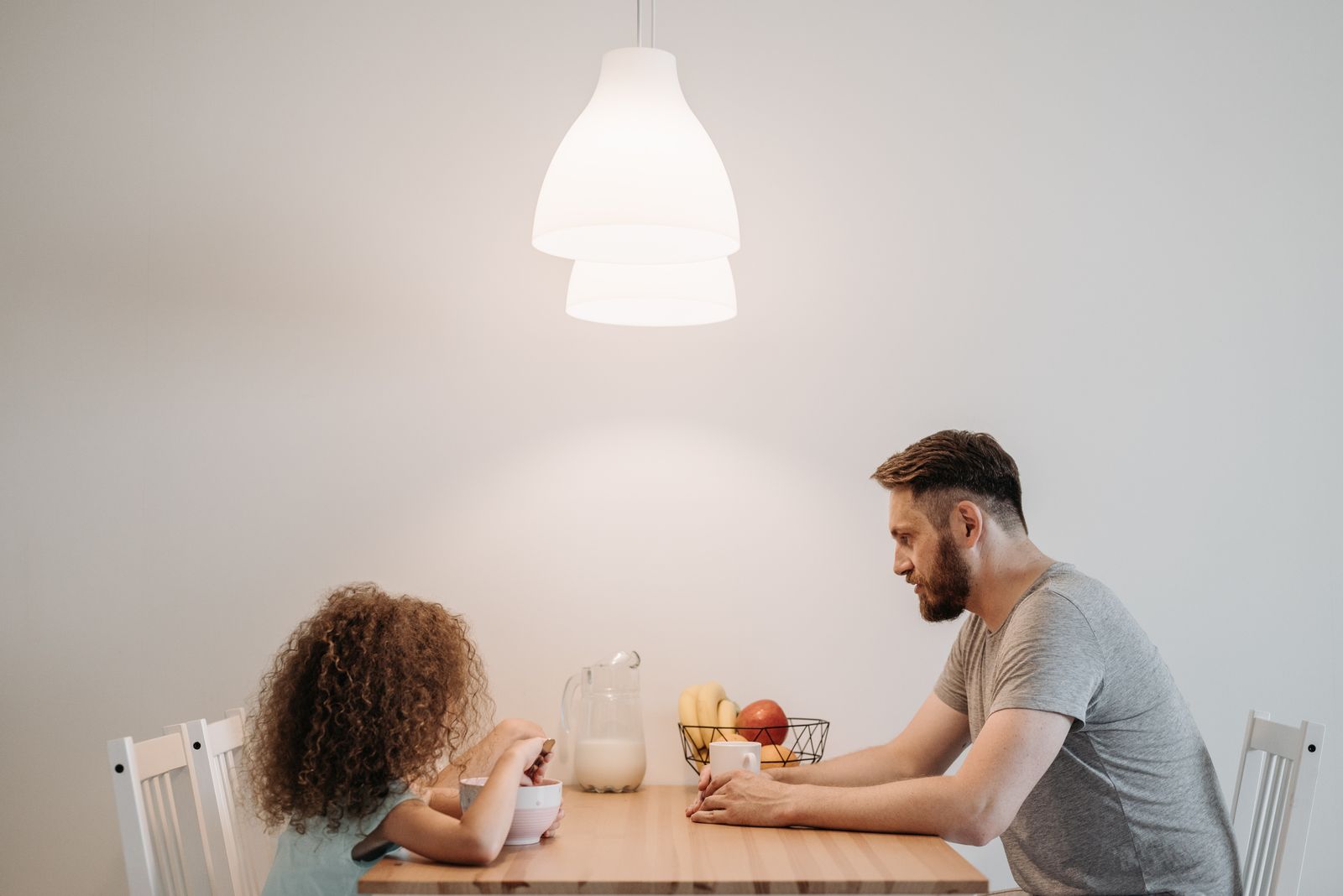
Single parenting and co-parenting are broad experiences, not one family type. A parent may be raising children independently, sharing care across households, navigating a recent separation, parenting from a distance or relying on relatives and trusted caregivers.
Community can help when it offers practical connection without curiosity becoming intrusion. You should not need to tell the story of your relationship before being welcomed as a parent.
The support needs may be practical and emotional
Some weeks, support means school-run coordination, local recommendations or another adult who understands the pressure of carrying decisions alone. At other times, it means a conversation where mixed feelings can exist without someone immediately choosing sides.
A useful group does not assume every co-parenting relationship is friendly, hostile or equally resourced. It allows people to describe their own situation and keep details private.
Look for language that respects different homes
Forms and event pages can signal inclusion by using ‘parent or caregiver’ and avoiding assumptions about marital status or a single shared address. Activities should not require every child to describe one mother-and-father household.
Respect also means avoiding labels such as ‘broken family.’ Children can be loved, safe and connected across many family structures, even while adults work through difficult arrangements.
Co-parenting support should not prescribe one relationship
Healthy co-parenting information may address communication, consistency and children’s needs, but it should not pressure parents into contact that is unsafe or inappropriate. General advice cannot account for every legal, cultural or safeguarding context.
For legal arrangements or high-conflict situations, seek qualified professional advice. A community conversation can offer belonging, but it should not act as a court, mediator or therapist.
Protect your privacy and your child’s story
Share only what feels necessary. Avoid identifying details about children, former partners or ongoing disputes in a group you are still getting to know. A trustworthy community should not pressure you for the dramatic version of events.
Ask how confidentiality is discussed. No informal group can guarantee that every participant will keep every detail private, so use your judgement and choose professional settings for sensitive matters.
Find a space where you can belong without explaining everything
Try one recurring, inclusive gathering and notice whether the conversation makes room for your reality. You can start with everyday topics before deciding whether deeper connection feels safe.
Our Dubai Parenting Community is intended for parents across different family structures. For event formats, read how to choose the right parenting event.
Questions parents often ask
Are parenting communities suitable for single parents?
Yes. Look for groups that explicitly welcome different family structures and do not centre every activity on couples.
Can separated co-parents attend the same parenting event?
That depends on the event and on what feels appropriate for both people. Contact the organiser privately if you need clarity about the format.
Will a parenting group give legal co-parenting advice?
An informal parenting group should not replace qualified legal advice. Seek an appropriate professional for legal arrangements or disputes.
How much should I share in a support group?
Only what feels safe and useful. Protect identifying details and take time to understand the group’s culture before sharing sensitive information.